
Spring Garden Cleanup Checklist for Utah Homeowners
After months of snow, freezing nights, and dry winter winds, Utah yards usually look pretty rough by the time spring rolls around. Matted lawns, broken branches, crusty flower beds — it’s a lot. The good news? A solid spring cleanup now sets the tone for your entire growing season, and it doesn’t have to eat up your whole weekend.
Whether you’re in Salt Lake City, Utah County, Davis County, or anywhere along the Wasatch Front, our climate throws a specific set of challenges at your yard every spring: unpredictable frost dates, heavy clay soil, and that classic Utah wind that dries everything out fast. This checklist walks you through exactly what to do, in what order, so your lawn and garden bounce back strong.

Why Spring Cleanup Matters More in Utah
Utah’s high desert climate means our lawns go through a rougher winter than a lot of other places. Freeze-thaw cycles crack the soil surface, snow mold can develop under those late-melting drifts along the north side of your house, and the intense high-altitude sun in March and April can scorch grass that’s just waking up. If you skip cleanup or wait too long, you’re basically giving weeds, pests, and disease a head start on your lawn.
Homeowners across the Salt Lake Valley and surrounding areas often ask us the same question every March: “Is it too early to start?” Generally, once the ground has thawed and you’re not expecting another hard freeze, you’re good to begin. For most of the Wasatch Front, that’s typically mid-to-late March, though higher elevations (think Park City, Alpine, or Draper’s east bench) may need to wait a couple extra weeks.
The Complete Spring Cleanup Checklist
1. Rake Away Winter Debris
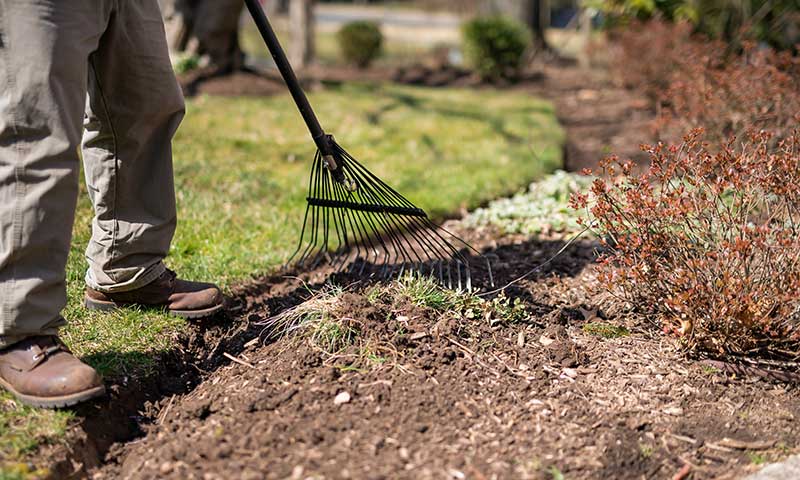
Start by clearing dead leaves, matted grass, and any leftover branches that fell during winter storms. This isn’t just cosmetic — a layer of wet debris sitting on your lawn blocks sunlight and traps moisture, which is exactly what snow mold and other fungal issues need to take hold. Use a leaf rake for a light touch, or a dethatching rake if your lawn feels spongy underfoot.
2. Check for Snow Mold and Winter Damage
Look closely at low spots and areas near downspouts or where snow piled up longest — usually the north side of the house or along fence lines. Snow mold shows up as gray or pink circular patches of matted grass. Most of the time, a good raking and some sunlight will clear it up, but if it’s widespread, you may need a light fungicide application.
3. Dethatch If Needed
Thatch is that layer of dead grass and roots that builds up between the soil and the living grass blades. A little thatch is fine, but more than half an inch chokes out new growth. If your lawn feels thick and spongy, it’s time to dethatch — either with a manual rake for smaller yards or a power dethatcher for larger properties.
4. Aerate Compacted Soil
Utah’s clay-heavy soil compacts easily, especially in yards with a lot of foot traffic or that were used for winter sledding (we see this a lot on sloped lots in the foothills). Core aeration pulls small plugs of soil out of the lawn, giving roots room to breathe and letting water, air, and nutrients reach deeper. Spring is one of the two best windows for aeration in our region, right alongside early fall.
5. Overseed Thin or Bare Patches
After aerating, it’s the perfect time to overseed. Cold winters and dry summers both take a toll on Utah lawns, and most yards along the Wasatch Front benefit from overseeding every spring. Choose a grass seed blend suited for our climate — a mix of Kentucky bluegrass and turf-type tall fescue tends to hold up well against our temperature swings.
6. Apply a Pre-Emergent (Timing Matters)
This is one of the most common mistakes we see homeowners make: applying pre-emergent weed control too late. Once soil temperatures hit around 55°F for several consecutive days — which typically happens in early-to-mid April in the valley — crabgrass and other weed seeds start germinating. If you’re overseeding, though, skip the pre-emergent in those areas, since it will block your new grass seed too. This is a case where a professional lawn care visit can save you from working against yourself.
7. Fertilize for Spring Growth
Once your lawn is raked, dethatched, and aerated, a balanced spring fertilizer gives it the nutrients it needs to green up and recover from winter stress. Look for a slow-release, nitrogen-rich formula. Avoid heavy fertilizing right before a late frost, which is always a possibility here through April.
8. Prune Trees and Shrubs
Late winter through early spring, before buds break, is the ideal time to prune most deciduous trees and shrubs. Remove any branches damaged by snow load or winter wind, and shape shrubs while they’re still dormant. Hold off on pruning spring-flowering shrubs like lilacs until after they bloom, or you’ll cut off this year’s flowers.
9. Clean Up Flower Beds and Mulch
Clear out dead annuals, cut back perennials that were left standing over winter for structure, and pull any early weeds before they establish. Once beds are cleared, refresh your mulch layer — 2 to 3 inches is ideal. Fresh mulch helps retain moisture through Utah’s dry spring winds and keeps weed pressure down all season.
10. Inspect and Tune Up Your Sprinkler System
Before you turn your irrigation system back on, check every zone for winter damage. Broken sprinkler heads, cracked pipes from freezing, and misaligned spray patterns are extremely common after a Utah winter. Run a full test cycle on a mild day and adjust the schedule based on spring rainfall rather than jumping straight to summer watering levels.
11. Edge Walkways and Beds
Clean, sharp edges along driveways, sidewalks, and garden beds make the whole yard look intentional and well cared for, even before anything is blooming. It’s a small step that makes a big visual difference.
12. Check for Early Pest Activity
Keep an eye out for early signs of voles (common after a snowy winter), aphids on new growth, and other pests that become active as temperatures rise. Catching an infestation early in spring is far easier than dealing with a full-blown problem in July.
A Quick Timeline for Utah Homeowners
- Mid-to-late March: Rake debris, check for snow mold, begin dethatching if needed
- Late March to early April: Aerate, overseed, prune dormant trees and shrubs
- Early-to-mid April: Apply pre-emergent (non-overseeded areas), fertilize, clean flower beds
- Mid-to-late April: Test and tune up irrigation, mulch beds, final edging
Exact timing will shift a bit depending on your elevation and how late the frost holds on in a given year, so it’s always worth watching the forecast rather than just the calendar.
Frequently Asked Questions
When should I start spring cleanup in Utah? Most Wasatch Front yards are ready for cleanup by mid-to-late March, once the ground has thawed and hard freezes are becoming less frequent. Higher-elevation areas may need to wait until early April.
Can I aerate and overseed at the same time? Yes — in fact, aerating right before overseeding is ideal. The holes left by aeration give grass seed direct contact with soil, which dramatically improves germination rates.
Should I fertilize before or after mowing my first time? Mow first, then fertilize a few days later once the lawn has had a chance to green up on its own. This helps you see where thin spots actually need the most attention.
What’s the biggest spring lawn care mistake homeowners make in Utah? Applying pre-emergent weed control and overseeding in the same area at the same time. The pre-emergent will prevent your new grass seed from germinating right along with the weeds.
Is it too late to prune trees by April? For most deciduous trees, early April is still fine as long as buds haven’t fully opened. Once a tree has leafed out, it’s better to wait until next winter for major pruning.
Do I really need professional help, or can I DIY this? Plenty of homeowners handle basic raking, edging, and bed cleanup themselves. Aeration, pre-emergent timing, and irrigation tune-ups are where a professional crew tends to save you both time and costly mistakes — especially if your lawn had issues the previous year.
Ready for a Healthier Lawn This Spring?
Spring cleanup sets the foundation for how your entire yard performs through summer and fall. If your schedule is already packed, or you just want it done right the first time, our team knows exactly how to handle Utah’s soil, climate, and seasonal timing.
Contact us today for a free spring cleanup quote and let us handle the raking, aerating, fertilizing, and irrigation checks — so you can just enjoy the yard once it’s ready.