
How to Choose the Right Fence for Your Utah Property?
A fence does more than mark a property line. It shapes how your yard feels, how private your home is, and how it looks from the street. But in Utah, a fence has to do one more job that homeowners in milder climates rarely think about: survive the state’s wildly unpredictable weather.
Between the freeze-thaw cycles along the Wasatch Front, the intense UV exposure in southern Utah, and the heavy clay soils found throughout the Salt Lake Valley, the “right” fence in Utah isn’t just about style. It’s about matching the material, design, and installation method to your specific climate, soil, and lifestyle needs.
If you’re planning a new fence or replacing an old one, here’s a complete guide to making a decision you won’t regret in five years.
Why Fence Choice Matters More in Utah Than You Might Think
Utah’s climate is deceptively harsh on outdoor structures. Summers bring triple-digit heat and intense sun in places like St. George and Moab, while winters along the Wasatch Front deliver heavy snow loads, sub-zero temperatures, and repeated freeze-thaw cycles. Add in the state’s expansive clay soil, which swells when wet and contracts when dry, and you have a recipe for shifting posts, cracked concrete footings, and warped materials if the wrong fence is installed the wrong way.
That’s why the first step in choosing a fence isn’t picking a style you like on Pinterest. It’s understanding how your local conditions, and your property itself, will interact with different materials over time.
Step 1: Define the Purpose of Your Fence
Before comparing materials, get clear on what you actually need the fence to do. Most Utah homeowners are solving for one or more of these:
- Privacy from neighbors or a busy street
- Security for children, pets, or a pool area
- Curb appeal and boosting resale value
- Boundary marking for large lots or agricultural land
- Wind and snow control for exposed properties
- Noise reduction near main roads
A fence built purely for boundary marking on a five-acre lot in Cache Valley looks nothing like a privacy fence for a quarter-acre lot in Draper. Knowing your primary goal narrows your material and height options immediately.
Step 2: Understand Utah’s Climate Impact on Fencing Materials
This is the step most guides skip, and it’s the one that matters most for longevity.
Freeze-thaw cycles along the Wasatch Front cause soil to expand and contract repeatedly through winter and early spring. This movement can heave fence posts out of the ground over time if footings aren’t set below the frost line, typically 30 to 36 inches in most Utah counties.
Clay-heavy soil, common in Salt Lake, Utah, and Davis counties, retains water and swells significantly. Posts set in clay without proper drainage or gravel bases are more prone to shifting and leaning within just a few years.
High-elevation UV exposure in southern and central Utah accelerates fading and material breakdown, especially in untreated wood and lower-grade vinyl.
Wind exposure, particularly in canyon-adjacent neighborhoods and open valley areas, puts extra stress on tall privacy fences and solid panel designs.
None of this means you should avoid any particular material. It means installation technique and material grade matter just as much as style.
Step 3: Compare Fence Materials for Utah Properties
Wood Fencing
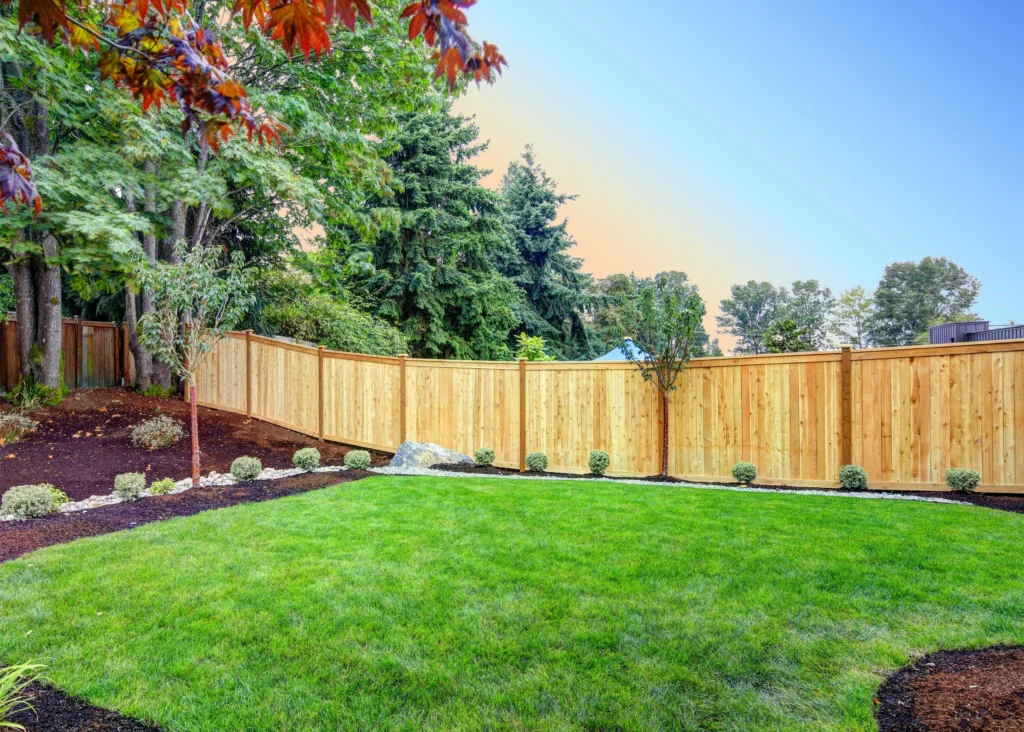
Wood remains one of the most popular choices for Utah homes because of its natural look and flexibility in design. Cedar and pressure-treated pine are the two most common options.
Pros: Customizable height and style, relatively affordable upfront, blends well with landscaping Cons: Requires regular staining or sealing to handle UV exposure and moisture, more prone to warping if not properly treated, shorter lifespan in extreme climates
Wood works best when installed with concrete footings set below the frost line and treated with a UV-resistant sealant every two to three years.
Vinyl Fencing
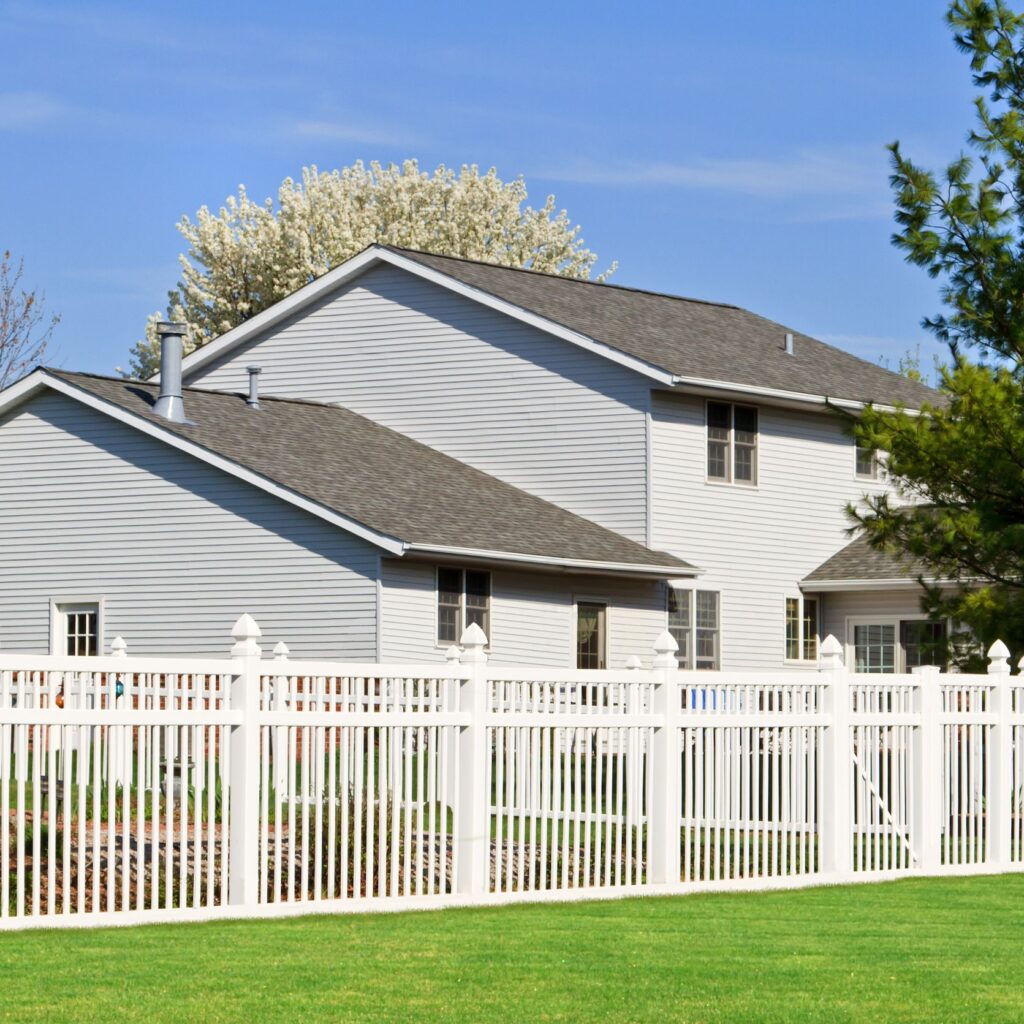
Vinyl has grown rapidly in popularity across Utah subdivisions because it resists moisture, doesn’t rot, and requires almost no maintenance.
Pros: Doesn’t warp, rot, or attract insects; low maintenance; wide range of styles including privacy, picket, and semi-privacy Cons: Higher upfront cost, can become brittle in extreme cold if lower-quality material is used
Look for vinyl rated for cold-climate flexibility, since cheaper vinyl can crack in sub-zero temperatures common in northern Utah winters.
Chain Link Fencing
Still one of the most practical and budget-friendly options, especially for larger properties, dog runs, or side yards where aesthetics matter less than function.
Pros: Affordable, durable, low maintenance, doesn’t block airflow or views Cons: Minimal privacy, less visually appealing for front-yard applications
Galvanized or vinyl-coated chain link holds up well against Utah’s temperature swings and is a smart choice for utility areas or larger acreage.
Wrought Iron and Ornamental Metal
For homeowners prioritizing curb appeal and security without sacrificing visibility, ornamental iron or aluminum fencing is an excellent middle ground.
Pros: Long lifespan, elegant appearance, strong security without blocking views Cons: Higher cost, less privacy, powder-coated finishes needed to prevent rust in humid microclimates
Composite Fencing
A newer option combining wood fibers and recycled plastic, composite fencing offers a wood-like appearance with far less maintenance.
Pros: Resistant to rot, fading, and pests; long lifespan; eco-friendly Cons: Higher initial investment, fewer color and style options than wood or vinyl
Step 4: Check Local Codes, HOA Rules, and Setback Requirements
Nearly every city along the Wasatch Front, including Salt Lake City, Sandy, Lehi, and Provo, has specific ordinances governing fence height, materials, and placement relative to property lines. Corner lots often have additional visibility requirements near intersections.
If your property is part of an HOA, there’s a strong chance your community has approved material and color lists, and some HOAs prohibit chain link entirely in front yards. Before ordering materials or scheduling installation, confirm:
- Maximum allowed height (commonly 6 feet for backyards, 3 to 4 feet for front yards)
- Setback distance from the property line
- Approved materials and colors, if applicable
- Whether a permit is required, which is common for fences over 6 feet
Skipping this step is one of the most common and costly mistakes homeowners make.
Step 5: Factor In Budget and Long-Term Maintenance
It’s tempting to choose based on upfront cost alone, but the smarter approach is comparing total cost of ownership over 10 to 15 years.
Wood is cheaper initially but requires ongoing staining and occasional board replacement. Vinyl and composite cost more upfront but need almost no maintenance. Chain link is the most budget-friendly long-term option but offers the least privacy and curb appeal. Iron and aluminum sit at the higher end but rarely need replacement.
A good rule of thumb: if you plan to stay in your home for more than seven years, investing in a lower-maintenance material like vinyl or composite typically pays for itself.
Step 6: Think About Soil, Drainage, and Professional Installation
Given Utah’s clay soil and freeze-thaw conditions, proper installation matters just as much as material choice. Look for a fencing contractor who:
- Sets posts below the local frost line
- Uses gravel at the base of post holes for drainage
- Understands soil conditions specific to your area
- Offers material warranties backed by proper installation practices
DIY fencing kits can work for small, flat, well-draining lots, but for most Utah properties, professional installation significantly reduces the risk of leaning posts, cracked concrete, and premature material failure.
Step 7: Match the Fence to Your Landscape Design
Finally, consider how the fence integrates with your overall outdoor space. A fence isn’t installed in isolation. It interacts with your landscaping, patio areas, and the overall aesthetic of your property. Coordinating fence style and color with existing hardscaping, plant beds, and exterior home finishes creates a more cohesive, higher-value look than treating the fence as an afterthought.
Frequently Asked Questions
What is the best fence material for Utah’s climate? Vinyl and composite fencing generally perform best long-term because they resist UV fading, moisture, and temperature swings without regular maintenance. Wood remains a strong option if properly sealed and maintained every few years.
How deep should fence posts be set in Utah soil? Most professionals recommend setting posts 30 to 36 inches deep, below the region’s typical frost line, to prevent heaving caused by freeze-thaw cycles.
Do I need a permit to build a fence in Utah? It depends on your city and fence height. Many municipalities require a permit for fences taller than 6 feet or those near public rights-of-way. Always check with your local building department before starting installation.
How much does a new fence cost in Utah? Costs vary widely by material and yard size, generally ranging from a few thousand dollars for chain link on a small lot to well over ten thousand for vinyl or ornamental iron on larger properties. Getting a personalized quote is the most accurate way to budget.
Can I install a fence myself, or should I hire a professional? Small, flat, well-draining lots can sometimes support a DIY approach. However, given Utah’s clay soil and freeze-thaw cycles, professional installation is strongly recommended for most properties to avoid shifting posts and premature repairs.
Ready to Find the Right Fence for Your Property?
Choosing a fence is a long-term investment in your property’s privacy, security, and curb appeal, and getting it right the first time matters. At Bloomnest, we help Utah homeowners select and install fencing that’s built for the state’s unique soil and climate conditions, from durable vinyl privacy fences to elegant ornamental iron.
If you’re ready to talk through your options, get a personalized recommendation, or request a free quote, reach out to the Bloomnest team today. We’ll help you choose a fence that looks great and stands strong for years to come.