
Residential Outdoor Cleanup: What Should Be Included?
When the seasons shift or your yard has simply been neglected for a while, a full residential outdoor cleanup can completely transform the look and feel of your property. But what actually counts as a “complete” cleanup? Many homeowners assume it’s just raking leaves and mowing the lawn, but a truly thorough outdoor cleanup covers far more ground — literally and figuratively.
At Bloomnest, we’ve helped countless homeowners restore their outdoor spaces, and we know that a well-planned cleanup does more than improve curb appeal. It protects your landscaping investment, prevents pest infestations, reduces safety hazards, and sets the stage for healthy plant growth in the coming season. In this guide, we’ll break down everything a professional residential outdoor cleanup should include, so you know exactly what to expect and why each step matters.
Why Outdoor Cleanup Matters More Than You Think
Before diving into the checklist, it’s worth understanding why outdoor cleanup isn’t just cosmetic. Overgrown vegetation, decaying leaves, and clogged drainage systems can lead to serious issues, including:
- Pest and rodent infestations hiding in leaf piles and overgrown brush
- Mold and fungal growth from trapped moisture
- Drainage problems that damage foundations and landscaping
- Fire hazards from dry, accumulated debris
- Reduced property value due to poor curb appeal
A comprehensive cleanup addresses all of these risks while giving your outdoor space a fresh, well-maintained appearance that neighbors and potential buyers notice immediately.
Core Components of a Complete Residential Outdoor Cleanup
1. Leaf and Debris Removal
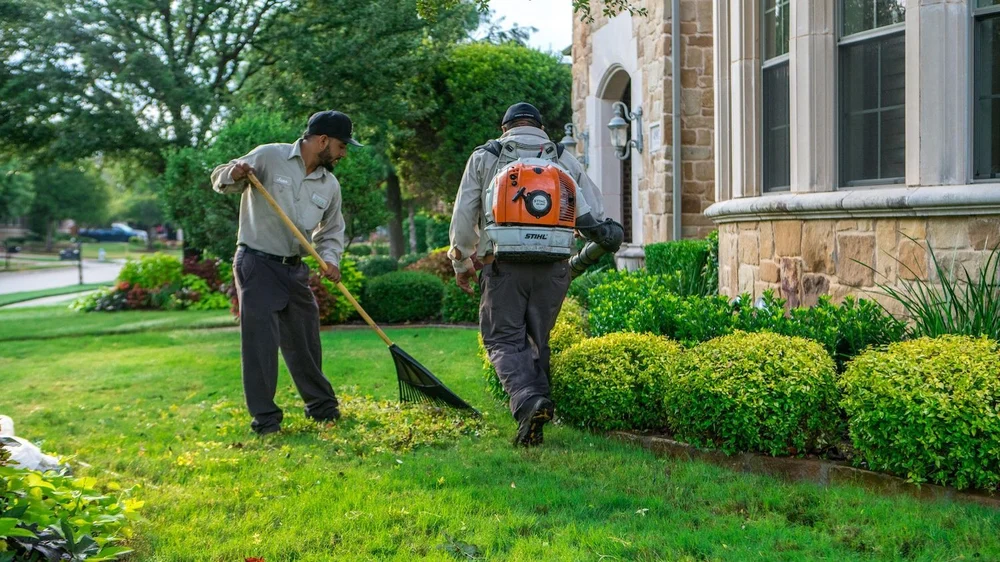
This is the most obvious starting point, but a professional cleanup goes beyond a quick rake-through. It should include removing leaves from lawns, flower beds, gutters, window wells, and hard-to-reach corners of the property. Fallen branches, twigs, and other storm debris should also be cleared, especially after winter or heavy wind events.
2. Lawn Care and Restoration
A healthy lawn is the foundation of any attractive yard. This part of the cleanup typically involves:
- Mowing and edging to a clean, even height
- Dethatching to remove dead grass buildup
- Aerating compacted soil so roots can breathe
- Overseeding bare or thin patches
- Fertilizing to encourage strong regrowth
Skipping lawn restoration is one of the most common mistakes in DIY cleanups — and it’s often the difference between a yard that merely looks “tidy” and one that looks genuinely healthy.
3. Garden Bed and Flower Bed Maintenance
Garden beds accumulate weeds, dead annuals, and overgrown perennials over time. A proper cleanup includes:
- Weeding thoroughly, including root removal
- Cutting back dead or overgrown perennials
- Removing spent annuals and replacing with seasonal plantings if desired
- Refreshing mulch to lock in moisture and suppress future weed growth
- Edging beds for a crisp, defined border
4. Pruning and Trimming
Overgrown shrubs, hedges, and trees not only look messy but can also block sunlight, invite pests, and create safety hazards near walkways and structures. A complete cleanup includes:
- Trimming shrubs and hedges into clean shapes
- Removing dead, diseased, or damaged branches
- Cutting back tree limbs that overhang roofs, power lines, or walkways
- Shaping ornamental plants for a polished appearance
Proper pruning also promotes healthier, fuller growth in the next season, which is something homeowners often overlook.
5. Gutter and Downspout Cleaning
Clogged gutters are one of the leading causes of water damage to homes. A thorough outdoor cleanup should always include clearing leaves, twigs, and sediment from gutters and downspouts to ensure proper water flow and prevent overflow that can damage siding, foundations, and landscaping below.
6. Hardscape and Walkway Cleanup
Patios, driveways, walkways, and decks accumulate dirt, moss, algae, and debris over time. This step involves:
- Power washing or sweeping hard surfaces
- Removing weeds growing through cracks
- Clearing debris from decks and patios
- Inspecting for cracks, loose pavers, or trip hazards
Clean hardscaping doesn’t just look better — it also reduces the risk of slips and falls, which matters for family safety and liability concerns.
7. Drainage and Yard Grading Check
Standing water and poor drainage are silent problems that worsen over time. A quality cleanup service checks for pooling water, clogged French drains, or grading issues that could lead to erosion or foundation damage down the line.
8. Fence, Gate, and Outdoor Structure Inspection
While not always top of mind, fences, gates, sheds, and other outdoor structures should be checked and cleaned during a cleanup. This includes removing vines or overgrowth, checking for rot or rust, and clearing debris that’s accumulated around the base of these structures.
9. Yard Waste Removal and Disposal
Everything collected during the cleanup — leaves, branches, weeds, old mulch, and clippings — needs to be properly bagged, hauled away, or composted. A professional service handles this disposal responsibly, so homeowners aren’t left with piles of yard waste to manage themselves.
10. Seasonal Preparation
Depending on the time of year, a cleanup should also prepare your yard for what’s next:
- Spring cleanups focus on removing winter debris, prepping soil, and encouraging new growth.
- Fall cleanups focus on leaf removal, winterizing plants, and protecting the lawn before frost.
- Post-storm cleanups address fallen branches, uprooted plants, and safety hazards.
This seasonal lens ensures your outdoor space isn’t just cleaned once, but set up to thrive through the coming months.
DIY vs. Professional Outdoor Cleanup
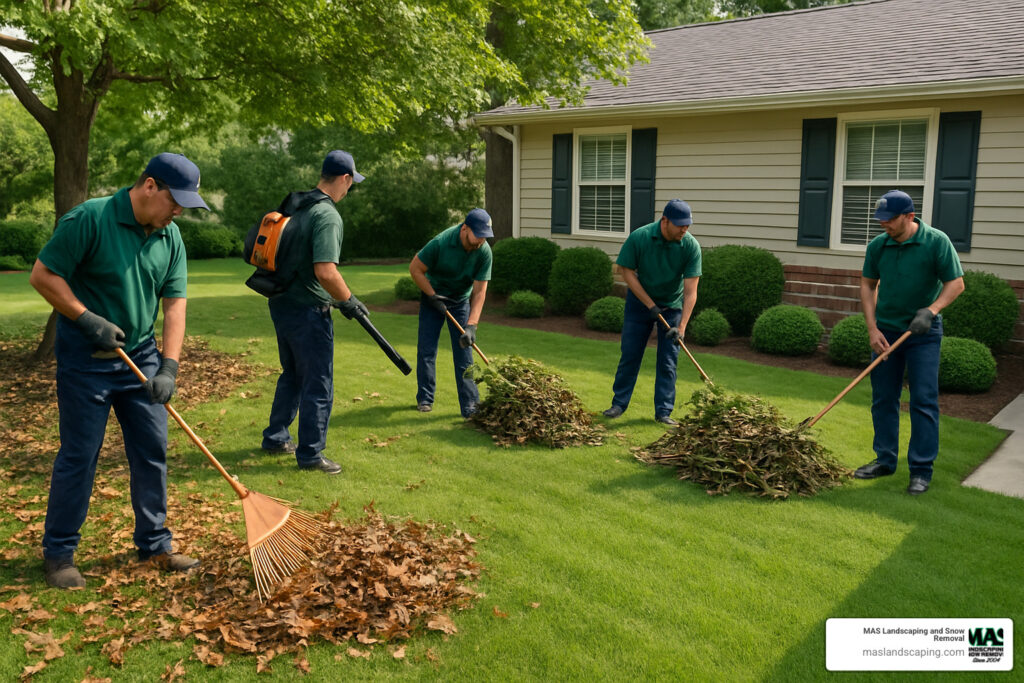
Many homeowners attempt outdoor cleanup themselves, and for small properties or minor upkeep, that can work fine. However, a full-scale cleanup — especially after a season of neglect or a major storm — often requires specialized tools, disposal logistics, and time that most homeowners simply don’t have.
Professional teams bring:
- Commercial-grade equipment for faster, more thorough results
- Knowledge of plant health, so pruning and lawn care are done correctly
- Proper waste disposal and recycling practices
- An eye for details that are easy to miss, like drainage issues or hidden pest activity
Hiring a professional outdoor cleanup service often ends up being more cost-effective in the long run, since it prevents small issues from becoming expensive repairs.
How Often Should You Schedule an Outdoor Cleanup?
For most residential properties, a seasonal approach works best:
- Spring cleanup to prepare the yard after winter dormancy
- Fall cleanup to clear leaves and protect plants before cold weather
- Light maintenance in between, such as mowing, weeding, and trimming
Some homeowners also schedule a mid-summer touch-up, particularly in regions with fast-growing vegetation or heavy storm activity.
Choosing the Right Outdoor Cleanup Service
When selecting a company to handle your residential outdoor cleanup, look for:
- Clear, itemized service lists so you know exactly what’s included
- Experience with both lawn care and landscaping (not just mowing)
- Proper licensing, insurance, and equipment
- Positive reviews and before/after examples of past work
- Transparent pricing without hidden fees
A trustworthy provider will walk your property with you, explain what needs attention, and give you a realistic plan rather than a one-size-fits-all package.
Final Thoughts
A residential outdoor cleanup is about far more than raking leaves — it’s a comprehensive process that protects your home, improves safety, and keeps your landscaping healthy year-round. From lawn restoration and pruning to gutter cleaning and drainage checks, every component plays a role in maintaining a beautiful and functional outdoor space.
Whether you’re preparing for a change of season, recovering from storm damage, or simply want your yard to look its best, investing in a thorough cleanup pays off in both appearance and long-term property value.
Frequently Asked Questions
1. How long does a residential outdoor cleanup usually take? It depends on the size of the property and the extent of the work needed, but most standard residential cleanups take anywhere from a few hours to a full day. Larger properties or heavily overgrown yards may require multiple visits.
2. How much does a professional outdoor cleanup cost? Pricing varies based on yard size, the scope of services (lawn care, pruning, hardscape cleaning, etc.), and your location. Most companies offer a free estimate after assessing your property in person.
3. Do I need a cleanup in both spring and fall? Yes, ideally. Spring cleanups prepare your yard for growth, while fall cleanups protect your lawn and plants before winter. Skipping either season can lead to more work and expense later.
4. Can outdoor cleanup help with pest problems? Absolutely. Removing leaf piles, overgrown brush, and standing debris eliminates common hiding spots for rodents, insects, and other pests, significantly reducing infestation risks.
5. What should I do to prepare before the cleanup crew arrives? Clear away personal items like toys, furniture, or vehicles from the work area, and point out any specific concerns — such as fragile plants or areas prone to drainage issues — so the team can plan accordingly.
Ready for a Cleaner, Healthier Yard?
At Bloomnest, we handle every part of your residential outdoor cleanup — from leaf removal and lawn restoration to pruning, gutter cleaning, and hardscape care — so you don’t have to lift a finger. Let us help you reclaim your outdoor space this season.
Call Us Today: (385) 488-6672