
Decorative Rock vs. Mulch: Which Is Better for Your Yard?
When it comes to landscaping your yard, one of the most common decisions homeowners face is choosing between decorative rock and mulch. Both options can transform flower beds, garden borders, and pathways into visually stunning features, but each comes with its own set of advantages, drawbacks, and long-term costs. If you’ve been searching for a clear, practical comparison to help you decide which ground cover suits your property best, you’re in the right place.
At Bloomnest, we work with homeowners every day who are trying to figure out the smartest way to enhance their outdoor spaces while keeping maintenance and budget in mind. In this guide, we’ll break down everything you need to know about decorative rock and mulch — from appearance and durability to cost, maintenance, and environmental impact — so you can make the best choice for your yard.
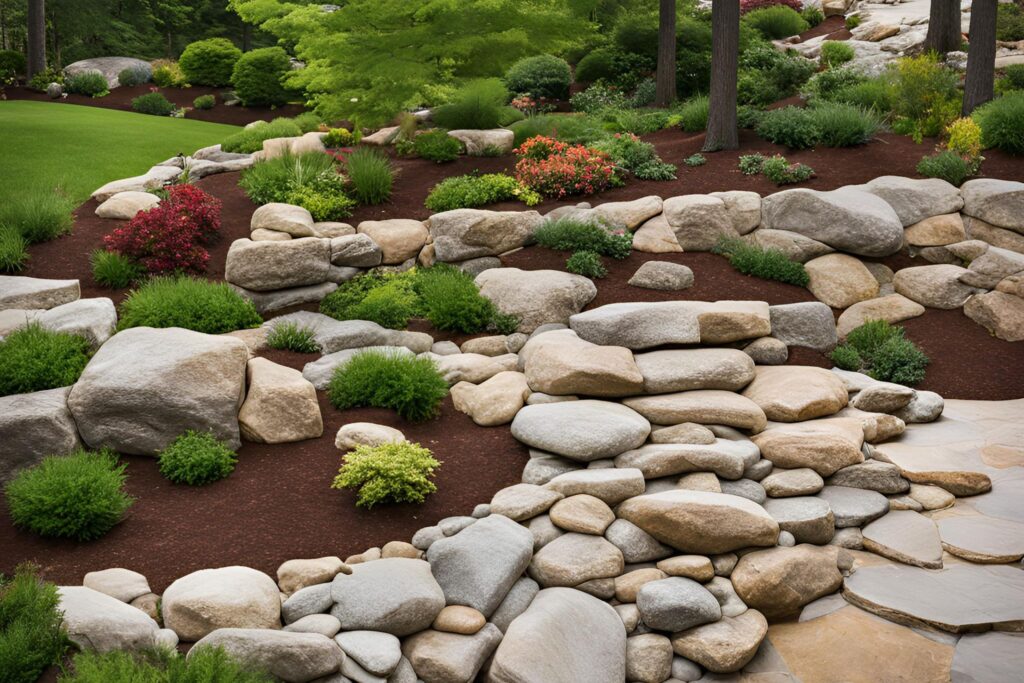
What Is Decorative Rock?
Decorative rock refers to stones, gravel, or aggregate materials used as ground cover in landscaping. Popular types include river rock, lava rock, crushed granite, pea gravel, and white marble chips. Homeowners often choose decorative rock for pathways, xeriscaped areas, drainage zones, and low-maintenance garden beds.
Because rock is inorganic, it doesn’t break down over time the way organic materials do. This makes it a long-term investment that, once installed correctly, can last for decades with minimal upkeep.
What Is Mulch?
Mulch is typically an organic material — such as shredded bark, wood chips, straw, or pine needles — spread over soil to help retain moisture, suppress weeds, and improve soil health as it decomposes. Mulch is a favorite among gardeners who prioritize plant health, since it naturally enriches the soil over time.
Unlike rock, mulch needs to be replenished periodically because it breaks down, fades in color, and gets displaced by weather and foot traffic.
Decorative Rock: Pros and Cons
Advantages of Decorative Rock
Longevity. Rock doesn’t decompose, so it won’t need constant replacing. A well-installed rock bed can look great for 10, 15, even 20+ years with only occasional refreshing.
Low maintenance. Rock doesn’t attract termites or other wood-loving pests, and it requires far less seasonal attention than mulch.
Excellent drainage. Rock allows water to pass through easily, which makes it ideal for areas prone to pooling or for xeriscape designs in drought-prone climates.
Weed suppression. When installed with a quality landscape fabric underneath, rock creates a strong barrier against weed growth.
Fire resistance. In wildfire-prone regions, rock is a much safer ground cover choice than flammable organic mulch, especially near structures.
Aesthetic variety. From polished river stones to rugged lava rock, decorative rock offers a wide range of colors, textures, and styles that can complement modern, desert, or minimalist landscape designs.
Disadvantages of Decorative Rock
Higher upfront cost. Rock is generally more expensive to purchase and install than mulch, particularly for larger areas.
Heat retention. Rock absorbs and radiates heat, which can stress nearby plants during hot summer months and increase the surrounding temperature.
No soil benefit. Since rock doesn’t decompose, it doesn’t contribute any nutrients back into the soil.
Difficult to remove or change. If you ever want to redesign your landscape, rock is far more labor-intensive to remove than mulch.
Debris collection. Leaves, dirt, and yard debris can settle between rocks, making cleanup more tedious over time.
Mulch: Pros and Cons
Advantages of Mulch
Improves soil health. As organic mulch breaks down, it adds valuable nutrients and organic matter back into the soil, improving fertility and structure.
Moisture retention. Mulch helps soil retain water, reducing how often you need to irrigate — a major benefit during dry spells.
Temperature regulation. Mulch insulates plant roots, keeping soil cooler in summer and warmer in winter.
Affordable upfront cost. Mulch is typically less expensive to purchase and install than decorative rock, especially bulk options like shredded bark.
Easy to install and adjust. Mulch is lightweight and simple to spread, remove, or redesign around as your landscaping evolves.
Natural, warm aesthetic. Mulch offers a soft, earthy look that pairs beautifully with traditional garden designs, flower beds, and vegetable gardens.
Disadvantages of Mulch
Requires regular replacement. Organic mulch breaks down over one to two years and needs replenishing to maintain its appearance and function.
Fades over time. Sun exposure and weather cause mulch color to fade, requiring more frequent refreshing for a polished look.
Can attract pests. Certain types of mulch may attract termites, ants, or fungus if it stays consistently damp against structures.
Can wash away. Heavy rain or steep slopes can cause mulch to shift or wash out of garden beds.
Fire risk. In dry climates or wildfire-prone areas, organic mulch poses a higher fire hazard compared to rock.
Cost Comparison: Rock vs. Mulch
Cost is often the deciding factor for many homeowners. Generally speaking:
- Mulch is more budget-friendly upfront, making it a popular choice for larger garden beds or properties with extensive planting areas.
- Decorative rock costs more initially but pays off over time since it doesn’t need annual replacement.
If you’re calculating long-term value, decorative rock often becomes more cost-effective after three to five years, since you avoid the recurring expense of buying and spreading new mulch each season. However, if you’re working with a tighter budget right now, mulch offers excellent short-term value.
Maintenance Requirements
Maintenance needs vary significantly between the two:
- Rock requires occasional rinsing, weeding around the edges, and repositioning stones that shift over time. It does not need seasonal replacement.
- Mulch should be refreshed annually or biannually, raked periodically to prevent compaction, and monitored for mold or pest issues, especially in humid climates.
If you’re looking to minimize the time you spend on yard upkeep, decorative rock is generally the easier long-term option.
Which Is Better for Plant Health?
If your yard includes flower beds, vegetable gardens, or areas with plants that need consistent moisture and nutrients, mulch is typically the better choice. It actively supports soil health and helps regulate temperature and moisture around root systems.
Decorative rock, on the other hand, works best around hardy, drought-tolerant plants, succulents, or in areas with minimal planting — such as pathways, driveway borders, or xeriscape designs.
Climate Considerations
Your local climate should heavily influence your decision:
- Hot, dry climates: Rock is popular for xeriscaping and water conservation, though it can intensify heat around plants.
- Humid or rainy climates: Mulch helps manage moisture levels but may need more frequent replacement due to faster decomposition.
- Wildfire-prone areas: Rock is the safer, fire-resistant choice, especially within the first few feet of your home’s foundation.
Environmental Impact
Both materials have environmental trade-offs. Mulch, especially when sourced from recycled wood or yard waste, supports a more natural, sustainable cycle by returning organic matter to the soil. Decorative rock, while not biodegradable, doesn’t require ongoing production and transportation the way replacement mulch does — reducing its long-term environmental footprint.
Can You Combine Rock and Mulch?
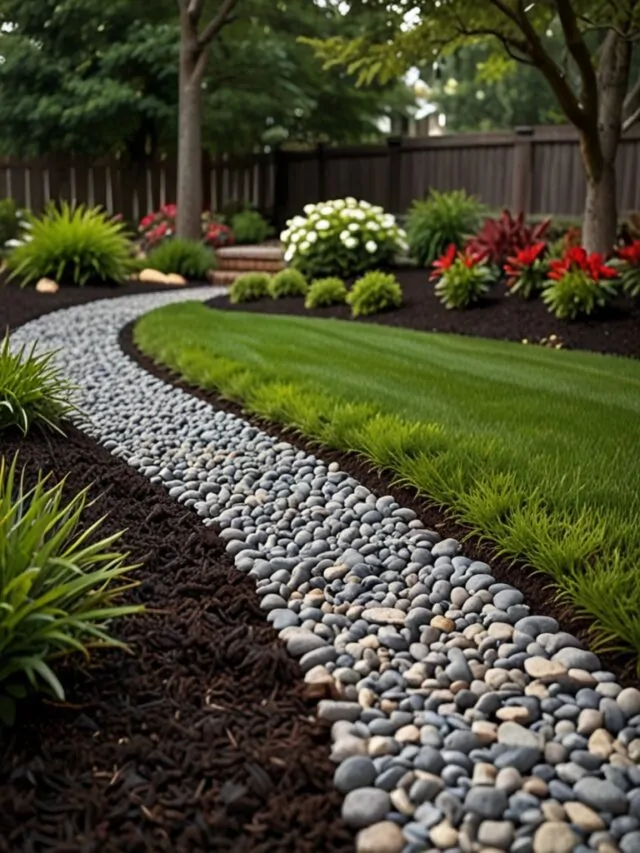
Absolutely — and many professionally designed landscapes do exactly this. A common approach is using mulch in garden beds where plants need nutrient support and moisture retention, while using decorative rock in pathways, borders, drainage areas, or accent zones. This hybrid strategy allows you to enjoy the benefits of both materials while balancing cost, aesthetics, and maintenance across your entire property.
Final Verdict: Which Should You Choose?
There’s no universal “better” option — it truly depends on your goals:
- Choose decorative rock if you want a low-maintenance, long-lasting, drought-tolerant landscape with minimal ongoing costs.
- Choose mulch if you prioritize plant health, soil enrichment, and a warmer, more traditional garden aesthetic, and don’t mind seasonal upkeep.
For many homeowners, the ideal solution is a thoughtful combination of both, tailored to the specific needs of different areas in the yard.
If you’re still unsure which option fits your property, a professional landscaping consultation can save you time, money, and guesswork.
Frequently Asked Questions
1. Does decorative rock kill plants over time? Rock itself doesn’t kill plants, but it can increase soil temperature and reduce nutrient availability compared to mulch. It works best around drought-tolerant or established plants rather than delicate seasonal flowers.
2. How often does mulch need to be replaced? Most organic mulch should be refreshed every one to two years, depending on climate, mulch type, and how quickly it breaks down.
3. Is decorative rock more expensive than mulch? Yes, rock typically costs more upfront, but it lasts significantly longer, often making it more economical over time.
4. Can I put rock over mulch or mulch over rock? It’s not recommended. Mixing the two materials makes future maintenance and removal more difficult, and mulch particles can get lost within the rock layer.
5. Which option is better for weed control? Both can suppress weeds effectively when installed with a quality landscape fabric underneath, though rock generally offers slightly stronger long-term weed resistance.
6. Does rock landscaping increase home value? A well-designed, low-maintenance landscape — whether rock, mulch, or a combination — can boost curb appeal and contribute positively to property value.
Ready to Transform Your Yard?
Whether you’re leaning toward decorative rock, mulch, or a custom combination of both, the team at Bloomnest is here to help you design a yard that’s beautiful, functional, and built to last. Our landscaping experts will assess your property, climate, and goals to recommend the perfect ground cover solution for your space.
Call Us Today: (385) 488-6672
Let’s build the yard you’ve always wanted — the right way, the first time.